
VR HOTEL VARANASI · TRAVEL GUIDE
Varanasi Food & Culture: Taste the Soul of Banaras
Discover the flavours, traditions, craftsmanship, and cultural heritage that make Varanasi one of India’s most unforgettable destinations.
INTRODUCTION
Experience the Rich Food and Culture of Varanasi
Varanasi food and culture are inseparable from the rhythm of the city itself. Mornings begin with hot kachoris and sweet jalebis, evenings glow with lamps on the ghats, and in between, the lanes hum with temple bells, weaving looms and the clink of kulhads. Few cities let you taste, hear and see their history in the same afternoon.
Banarasi food is shaped by the city's religious calendar, its dairy traditions and its seasons. Winter brings delicacies like malaiyyo and chooda matar; festivals bring sweets and gatherings. Alongside the kitchen, Varanasi cultural heritage lives on in Banarasi silk weaving, Hindustani classical music, temple rituals and the nightly Ganga Aarti.
This guide introduces the local traditions of Banaras so you can plan with curiosity and respect: what to eat, what to look for, how to behave around sacred places, and where to read more on this site.
BANARASI FOOD
Must-Try Famous Foods in Varanasi
Seven flavours that come up again and again when people talk about eating in Banaras. Availability, recipes and quality vary from place to place, so treat these as an introduction, not a ranking.
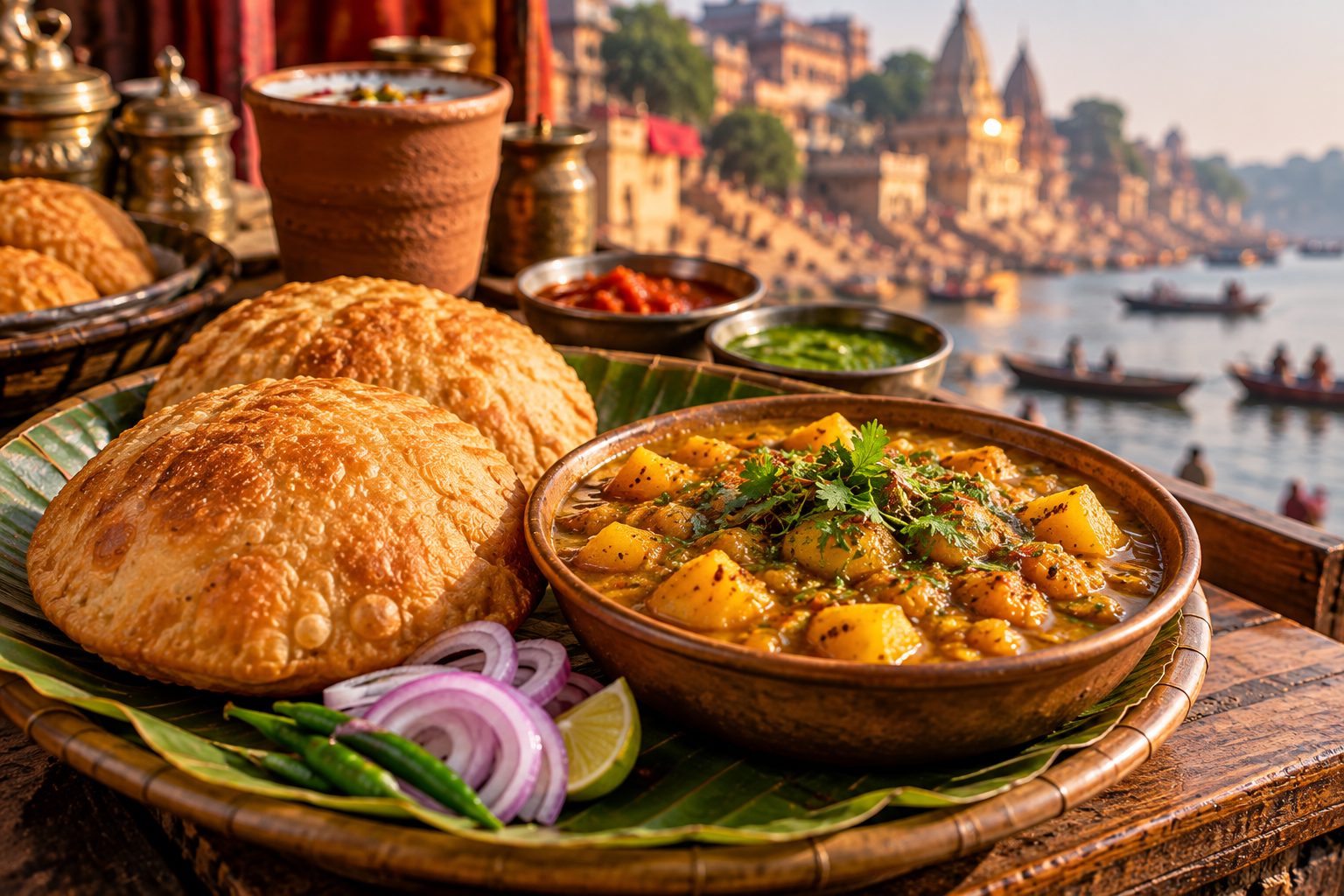
Kachori Sabzi
Taste: Warm, crisp and savoury, with a gentle heat from the spices.
Made with: Deep-fried kachori, often with a spiced lentil filling, served with a potato-based sabzi.
What makes it distinctive: A classic Banarasi breakfast, often enjoyed early in the day and sometimes paired with jalebi.
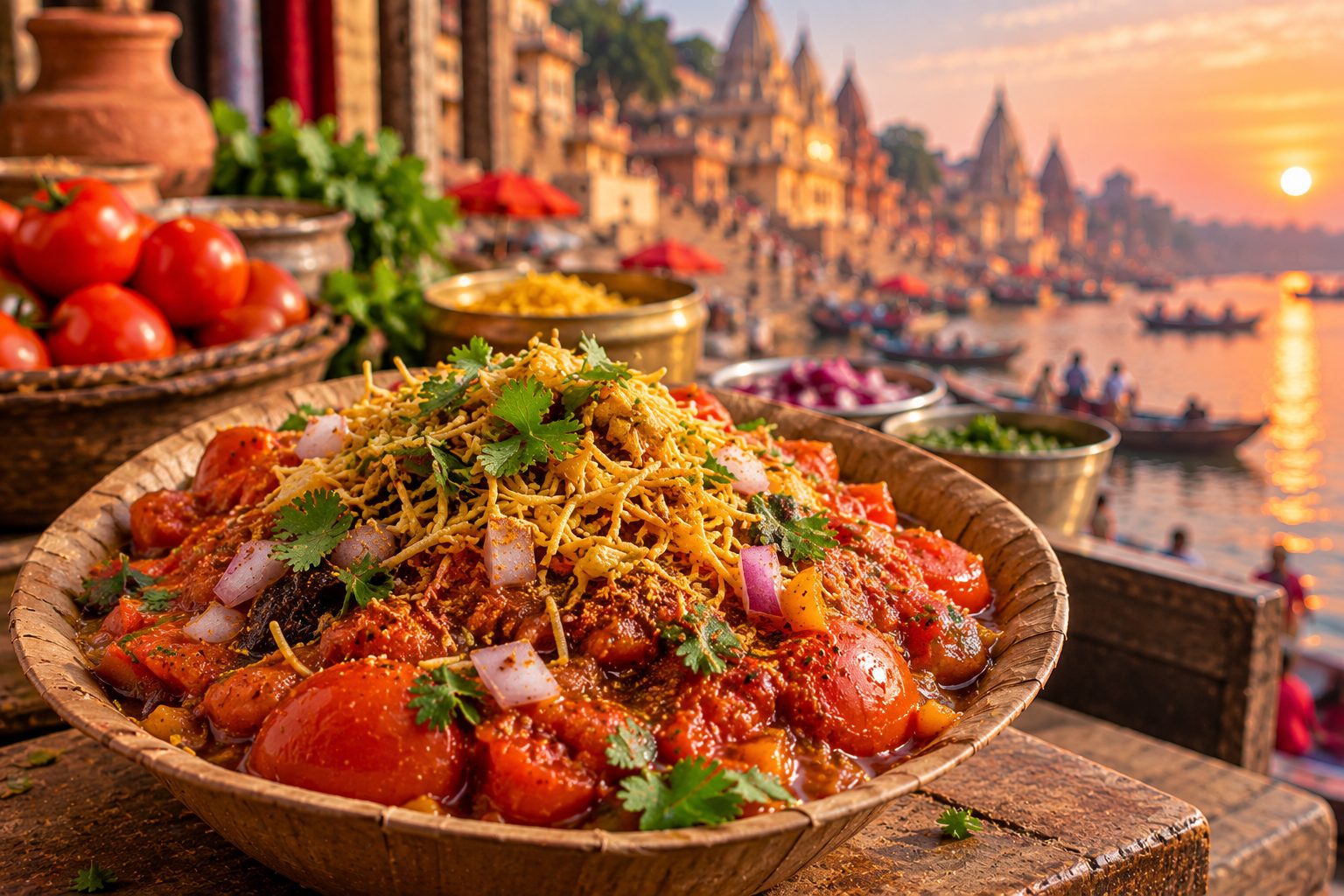
Banarasi Tamatar Chaat
Taste: Tangy, spicy and savoury, with a comforting, rustic feel.
Made with: Tomatoes and potatoes cooked down with spices, typically finished with chutneys, ginger and fresh coriander.
What makes it distinctive: A tomato-led chaat rather than a fried snack, which makes it a distinctly Banarasi take on street food.
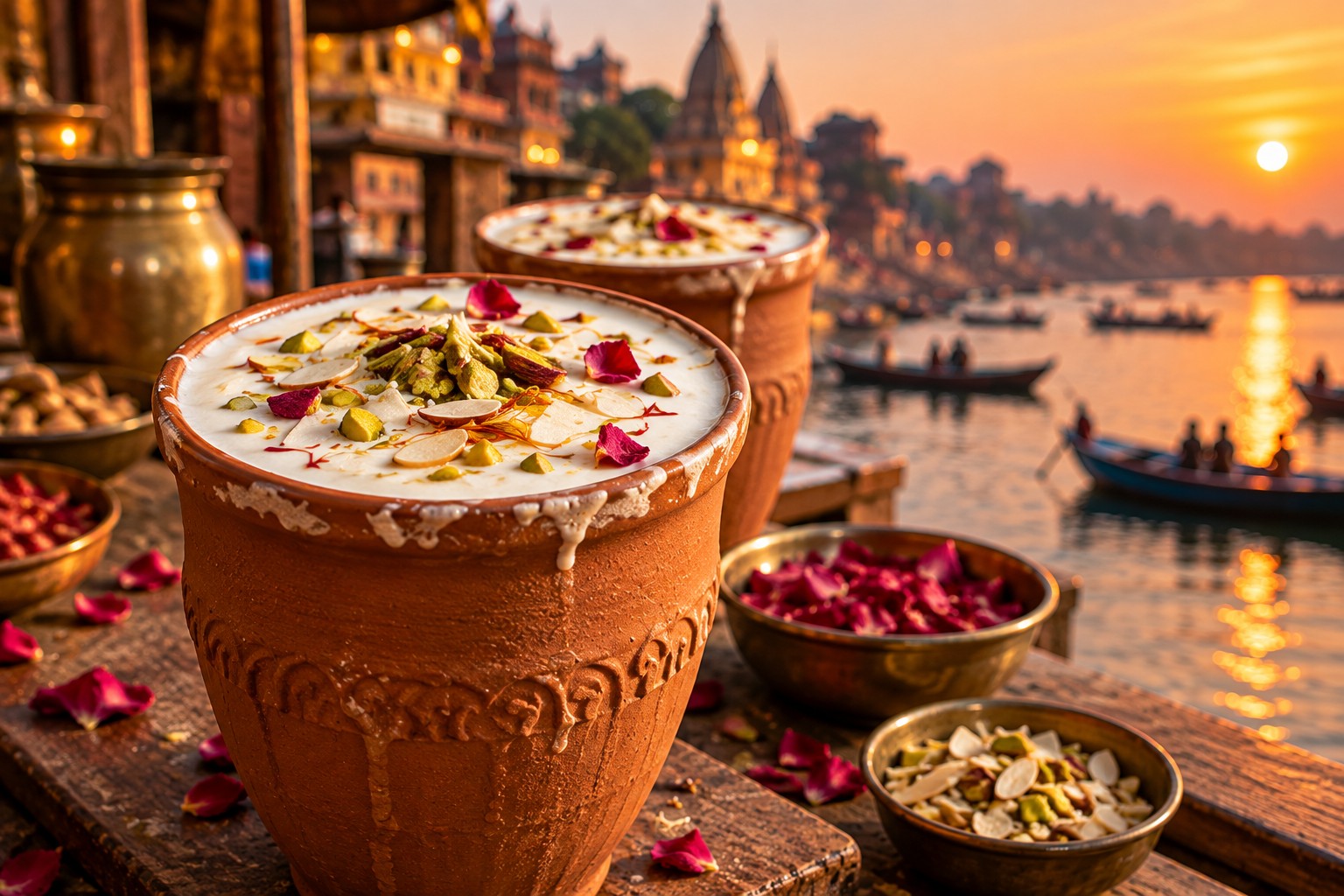
Banarasi Lassi
Taste: Cool, thick and creamy, usually on the sweeter side.
Made with: Curd blended into a dense drink, commonly served in a kulhad (clay cup) and often topped with malai or dry fruits.
What makes it distinctive: Its richness and the earthy clay cup make it as much a ritual as a refreshment.
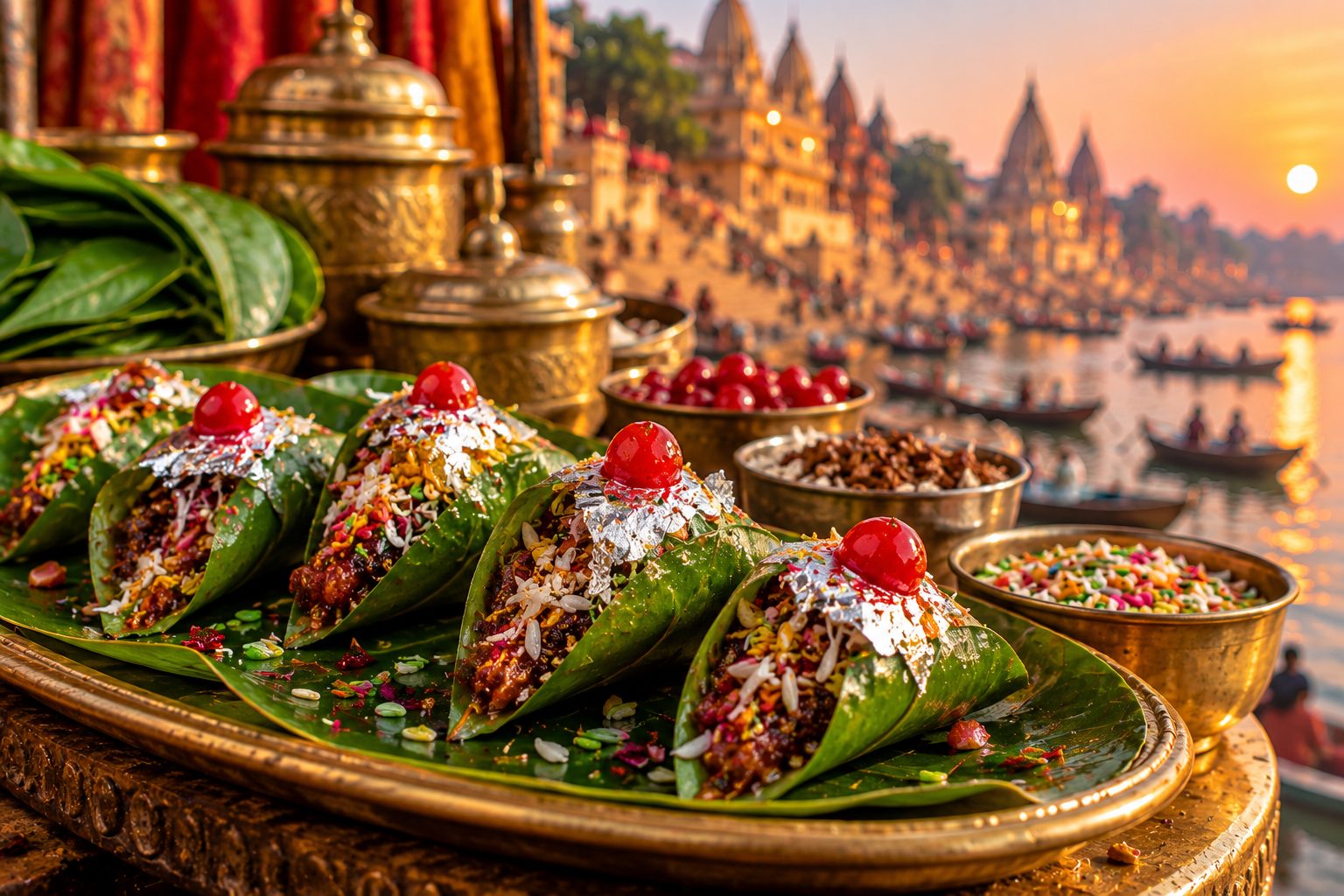
Banarasi Paan
Taste: Fresh, aromatic and mildly sweet or cooling, depending on the filling.
Made with: Betel leaf folded around ingredients such as fennel, coconut, gulkand or other sweet fillings.
What makes it distinctive: Paan is closely tied to Banaras's social and culinary identity. Ask for tobacco-free versions if you prefer.
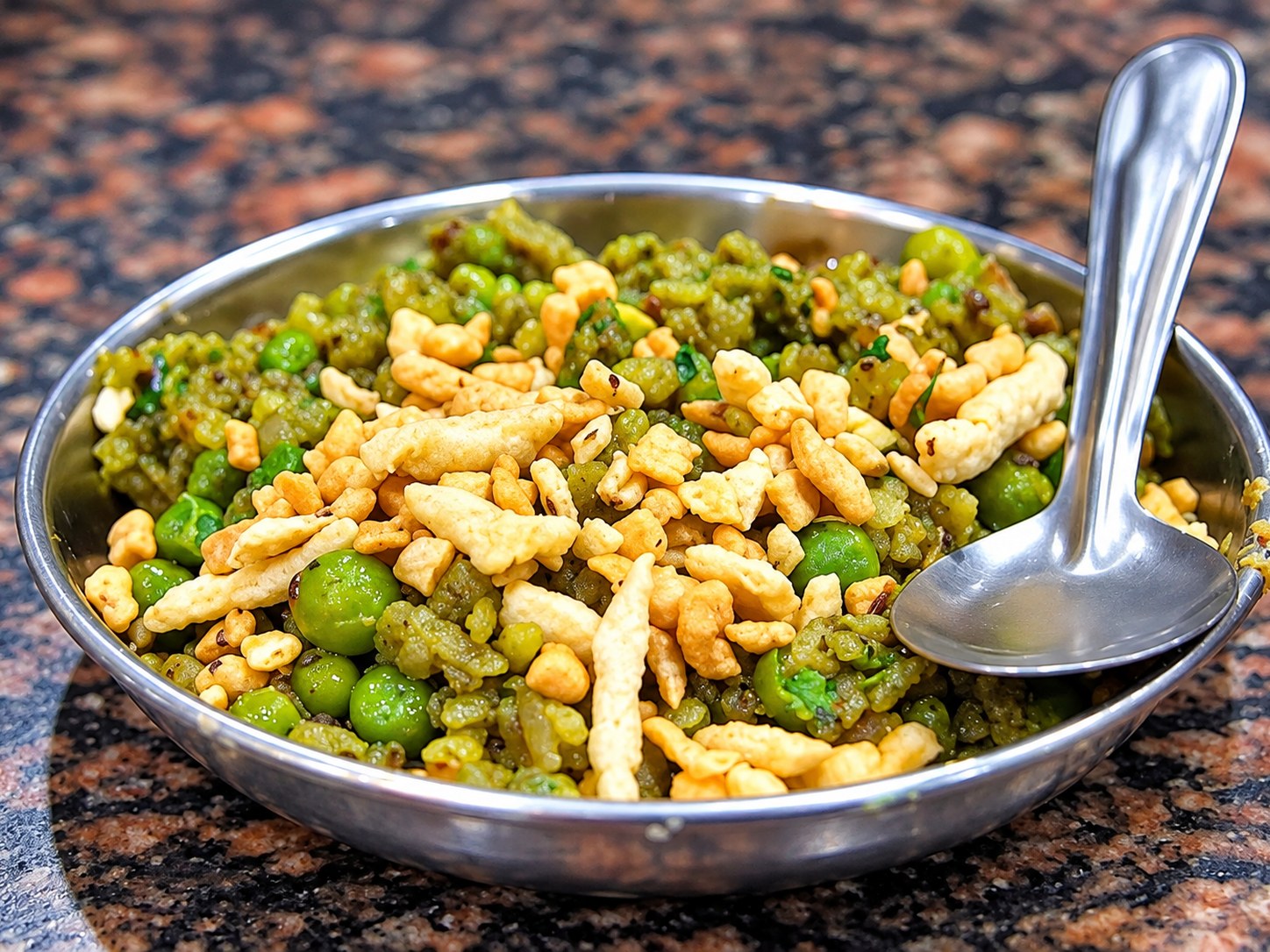
Chooda Matar
Taste: Mild, savoury and lightly spiced with a nutty, comforting bite.
Made with: Flattened rice cooked with green peas and spices, often garnished with fresh herbs or nuts.
What makes it distinctive: A winter favourite, when fresh green peas are in season.
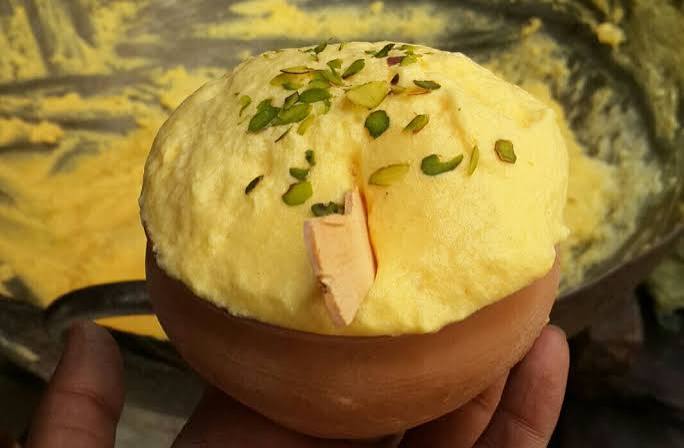
Malaiyyo
Taste: Airy, delicately sweet and perfumed with saffron and cardamom.
Made with: A milk-based froth, traditionally associated with cool winter mornings, usually topped with chopped nuts.
What makes it distinctive: It is a seasonal winter delicacy, so you will generally not find it year-round.
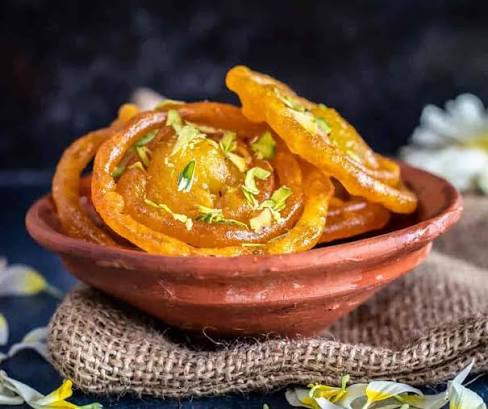
Jalebi and Local Sweets
Taste: Sweet, syrupy and crisp, balanced against richer milk-based sweets.
Made with: Jalebi is fried batter soaked in sugar syrup. Local sweet shops also offer treats such as rabri and lavang latika.
What makes it distinctive: Sweet shops are a staple of daily life in Banaras, so even a quick stop can feel like a cultural visit.
STREET FOOD
Explore the Street Food Culture of Banaras
Food in Varanasi is often found in the lanes rather than behind restaurant doors. Early in the day, traditional breakfast spots serve kachori sabzi and jalebi. Through the afternoon and evening, chaat stalls, lassi counters, paan shops and sweet shops fill with locals and visitors alike.
The best way to experience it is slowly: walk, watch what the locals queue for, and try a little at a time.
Practical advice for street food
- Pick busy stalls. A steady queue usually means food is cooked and replaced often.
- Choose freshly cooked items. Hot, just-made food is generally a better choice than food that has been sitting out.
- Mind the busy hours. Breakfast spots and popular lanes can get crowded, so plan around the rush.
- Ask about ingredients. If you have allergies or dietary needs, ask the vendor before ordering.
- Go gently at first. Rich, spicy or fried food can be a lot for an unaccustomed stomach, so start with small portions.
Hygiene standards differ from place to place, and no location can be called universally safe. Use your own judgement and trust what you see.
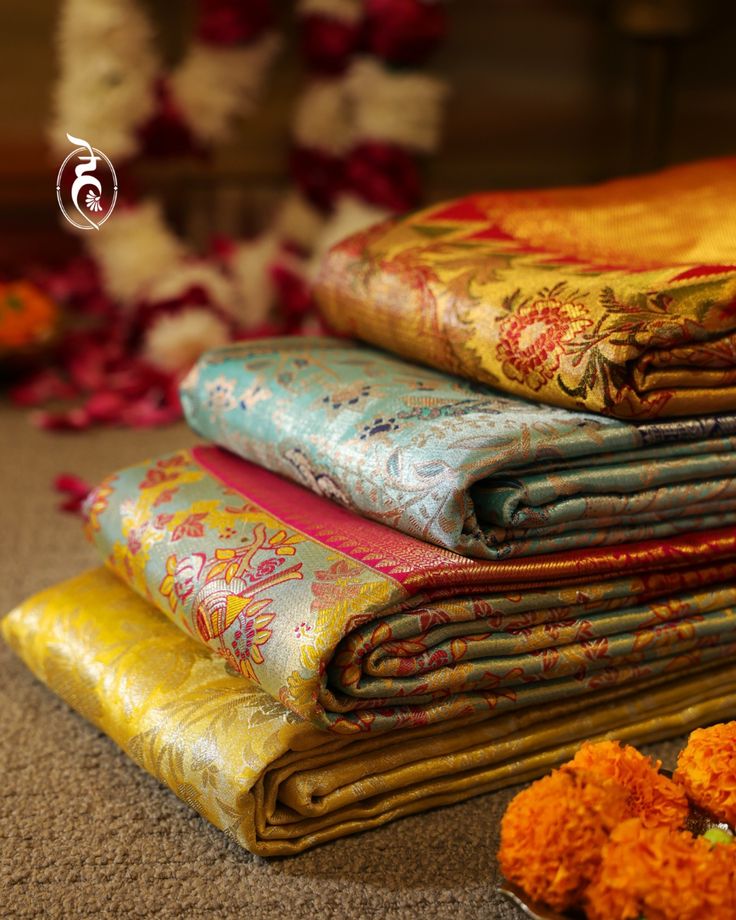
HANDICRAFTS
Discover the Art of Banarasi Silk
Banarasi silk is among the best-known textile traditions of India. Banarasi sarees are associated with rich brocade patterns, fine silk and zari, which is metallic thread woven into the fabric to create detailed motifs. Weavers work on looms in and around Varanasi, and the craft is often passed through families.
A single saree can take considerable time and skill to complete, depending on the design. Banarasi sarees are worn at weddings and festive occasions, so the craft is woven into the social life of the city as much as its economy.
If you plan to shop, take your time. Ask sellers about the fabric, the weave and whether a piece is handloom or power loom, and compare before buying. Visiting a weaving workshop, where possible, is a good way to understand what goes into each piece.
CULTURE
The Living Cultural Heritage of Varanasi
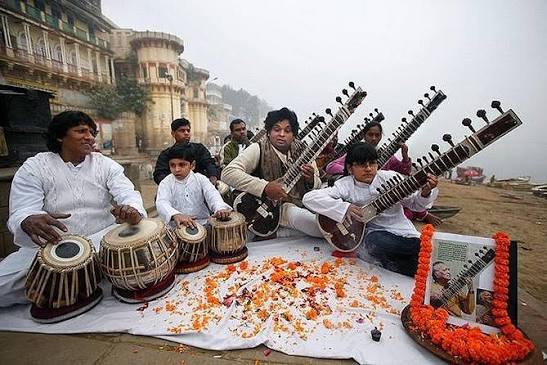
Hindustani Classical Music
Varanasi has long been associated with Hindustani classical music, including vocal traditions such as thumri and the Banaras tradition of tabla playing. Concerts and music gatherings are held during the year, so check what is on during your visit.
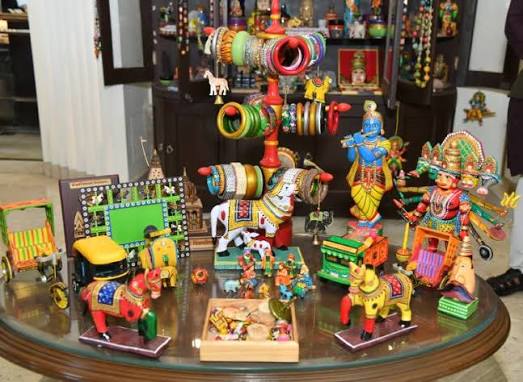
Traditional Arts and Craftsmanship
Beyond silk, the city is known for a range of traditional crafts. Visiting workshops and speaking with artisans is a respectful way to learn how these skills are practised today.
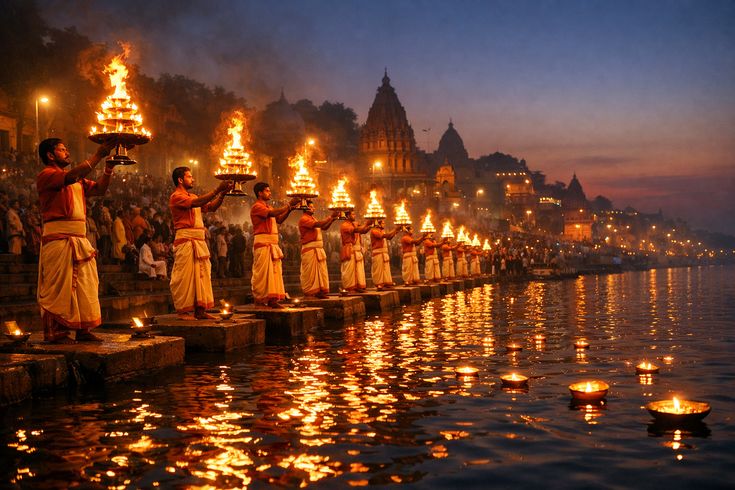
Ganga Aarti
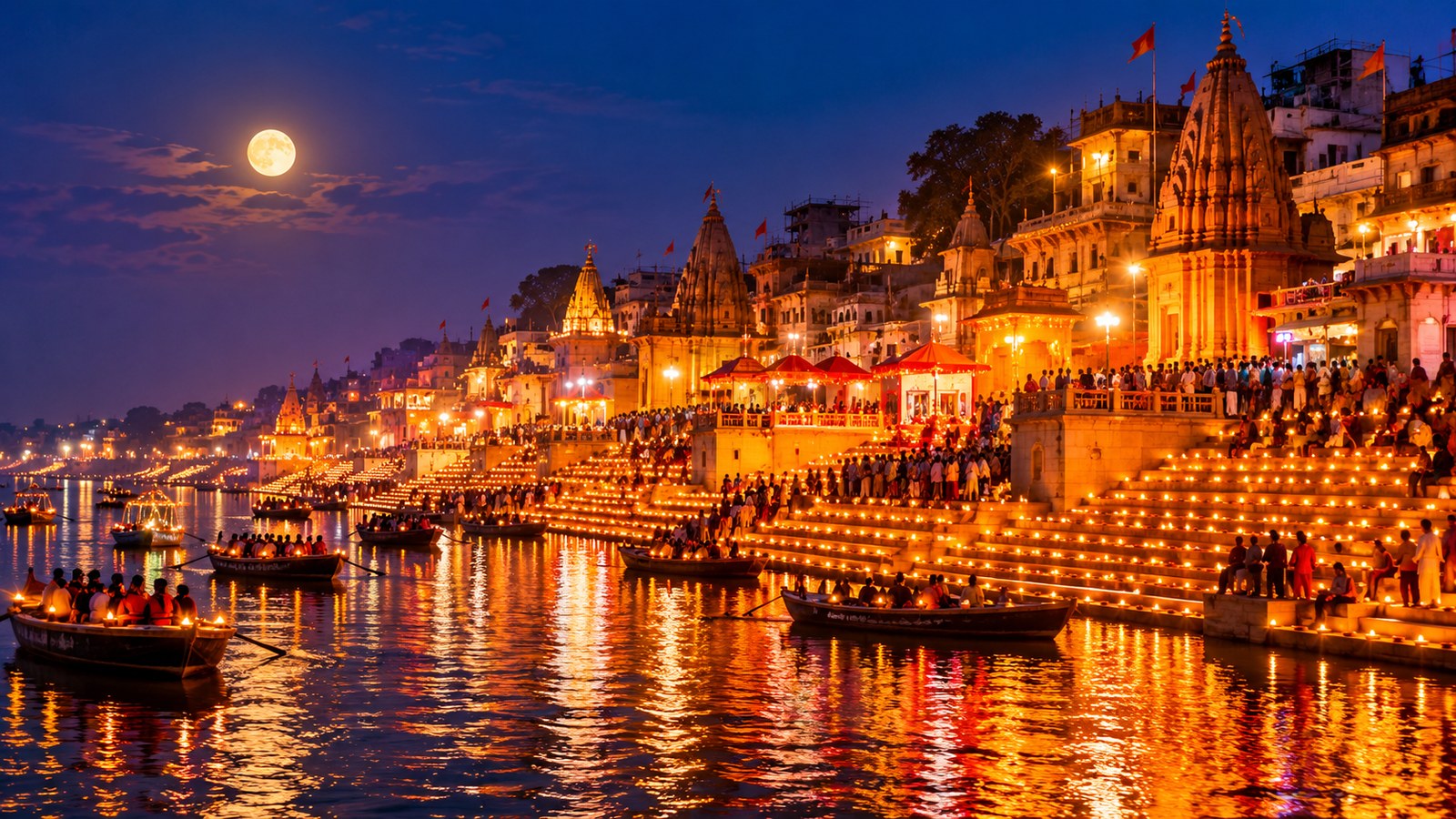
Ganga Aarti is an evening ritual of lamps, chants and music held beside the river. For many it is an act of devotion, so watch quietly, keep a respectful distance and avoid blocking others. Timings and arrangements can change with the season.
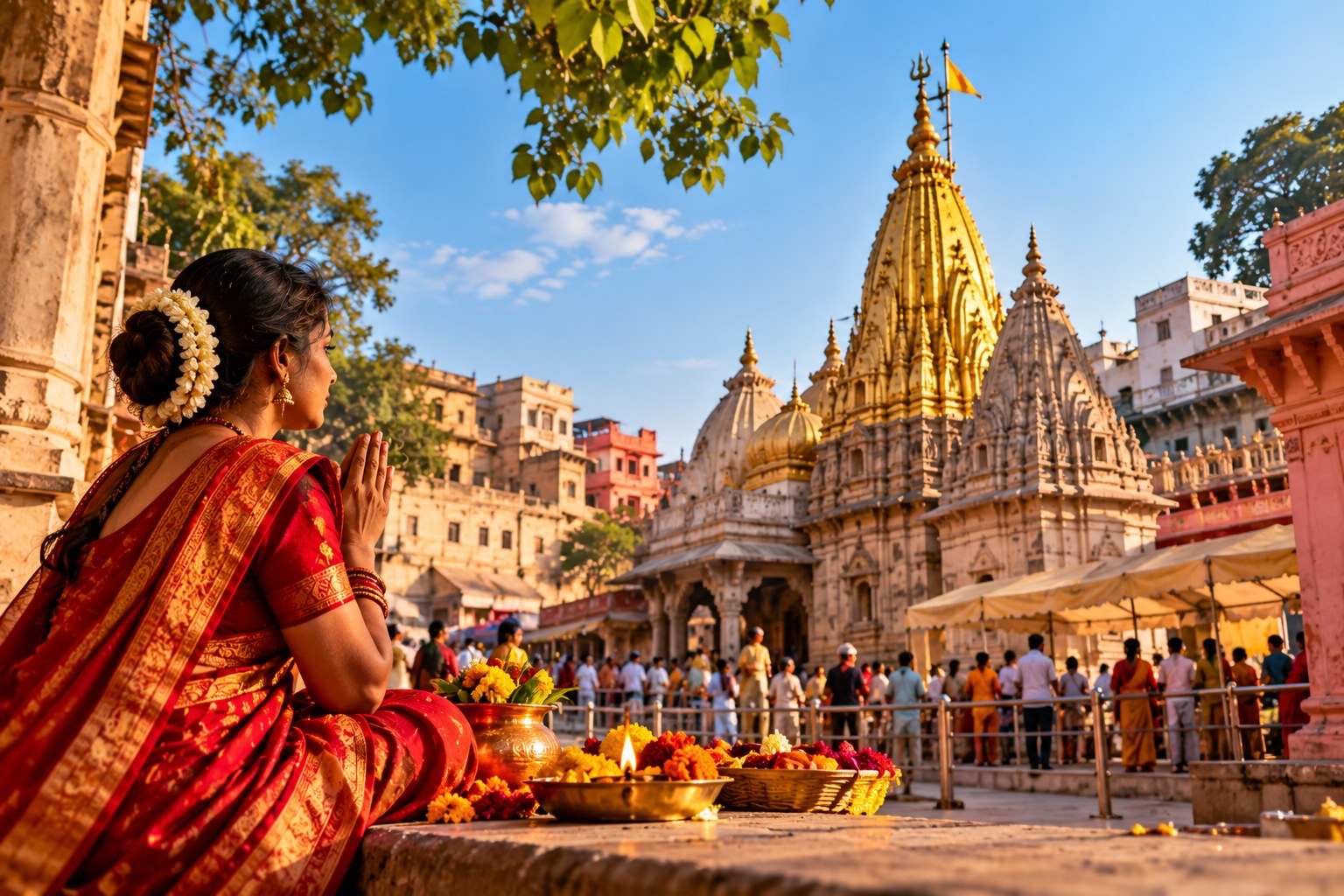
Temple Traditions and Local Customs
Temples are active places of worship. Dress modestly, follow staff instructions, and check notices on footwear, bags, phones and photography, as rules vary.
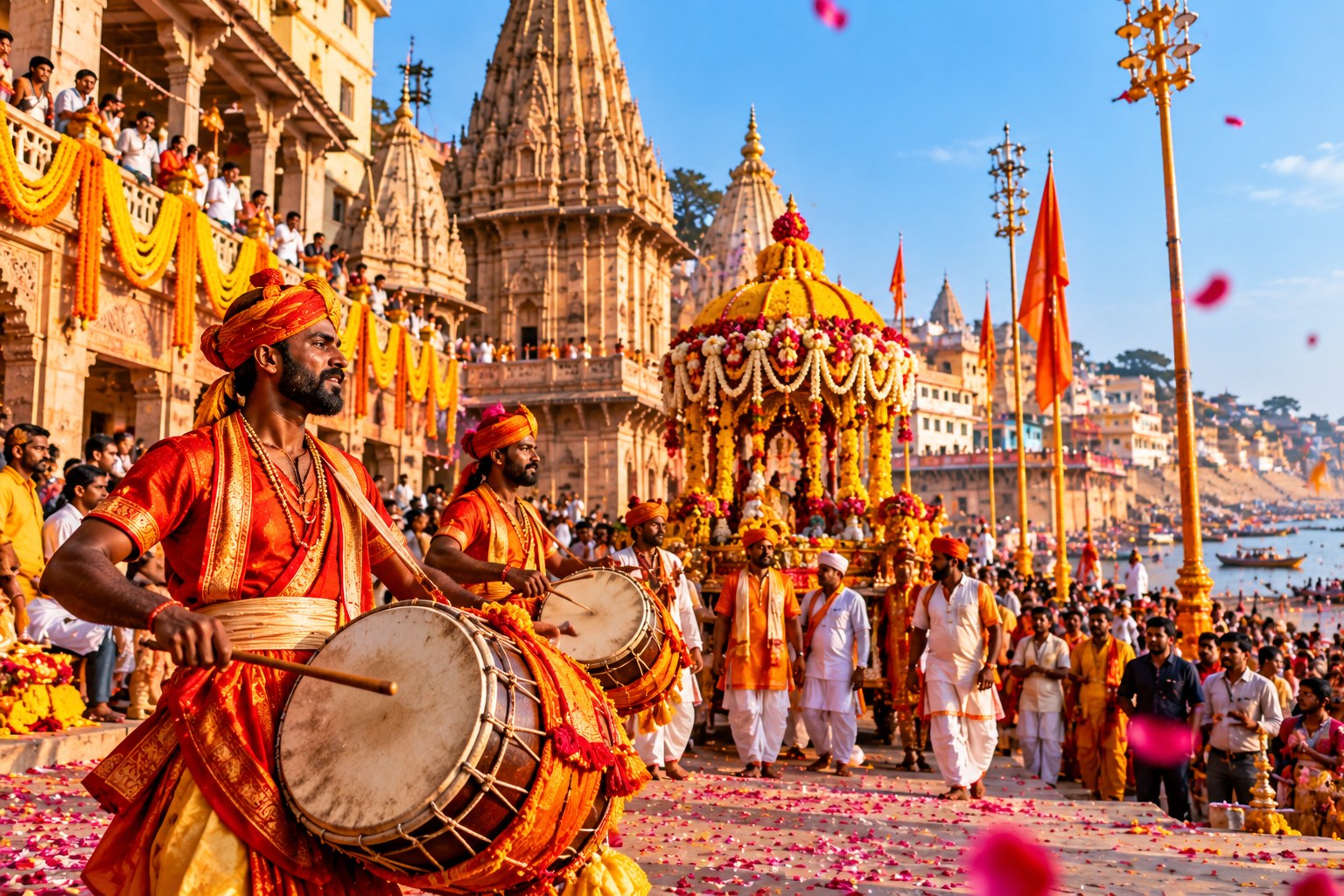
Festivals and Community Celebrations
The city's calendar is full of festivals, processions and community gatherings. They offer a window into local life, but can also mean big crowds and changes to access.
FESTIVALS
Celebrate the Festivals of Banaras
Festivals shape life in Varanasi throughout the year. Here are four well-known celebrations. Dates, access, crowd conditions and event arrangements can change each year, so confirm details closer to your trip.
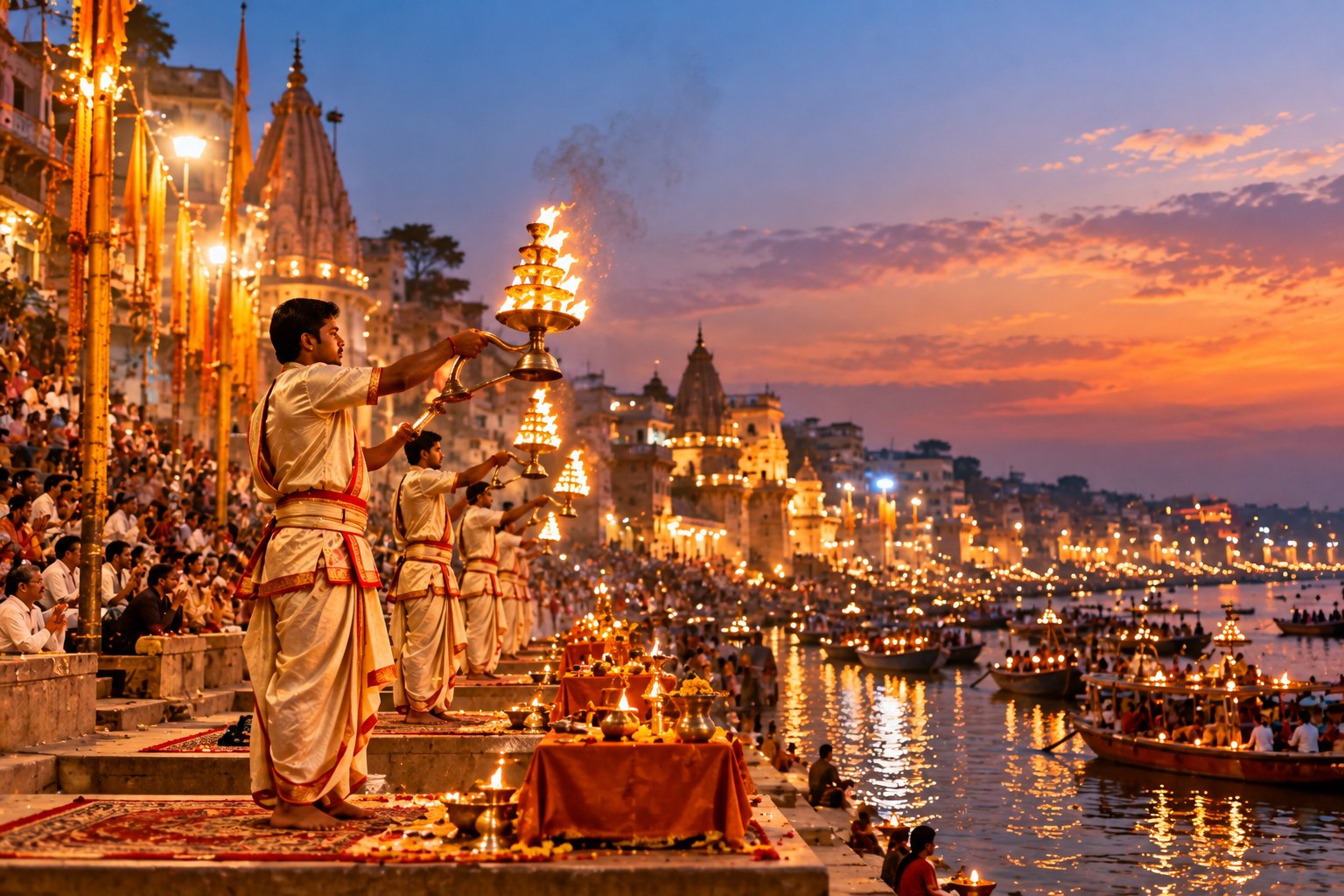
Dev Deepawali
Thousands of earthen lamps are lit along the ghats in an evening celebration linked to Kartik Purnima. Expect crowds, boats and a festive atmosphere.
Maha Shivaratri
A major festival for devotees of Shiva, observed with prayers and temple visits. Temple areas can become very busy, so plan extra time.
Holi
The festival of colours is celebrated with music, sweets and community gatherings. Wear clothes you do not mind staining and protect your belongings.
Ganga Mahotsav
A cultural festival associated with music and performances. Check the current year's programme and venues before planning.
LOCAL EXPERIENCES
Experience Varanasi Like a Local
01
Taste traditional Banarasi breakfast
Start the morning with kachori sabzi and jalebi.
Tip: Go early, when food is freshly made.
02
Explore local food lanes
Wander through the old city and see what locals are eating.
Tip: Wear comfortable shoes and carry small change.
03
Learn about silk weaving
Understand how Banarasi silk and zari work come together.
Tip: Ask questions politely and avoid pressure to buy.
04
Experience Ganga Aarti respectfully
Watch the evening ritual by the river.
Tip: Arrive early, stay quiet and keep the walkways clear.
05
Discover local music and art
Look for classical music events and craft workshops.
Tip: Check current schedules before you go.
06
Try seasonal Banarasi delicacies
Look out for malaiyyo and chooda matar in winter.
Tip: Seasonal items may not be available outside their season.
TRAVEL TIPS
Useful Tips for Exploring Food and Culture in Varanasi
Choose freshly prepared food
Prefer items cooked or made in front of you, served hot.
Stay hydrated
Carry bottled water, especially in warm weather and while walking long distances.
Check ingredients and allergens
Ask vendors about nuts, dairy and other allergens before eating.
Respect temple and religious customs
Dress modestly, remove footwear where asked and follow local guidance.
Ask before photographing people
Always ask permission, especially at rituals and prayer spaces.
Carry cash where needed
Small vendors may prefer cash, so keep some small notes handy.
Check festival dates and local conditions
Dates, crowds and access can change, so confirm before you travel.
RELATED TRAVEL GUIDES
Continue Exploring Varanasi
SUGGESTED PAGE
Best Places to Visit in Varanasi
A guide to the city's top sights.
Not yet published. Add the link once this page exists.
SUGGESTED PAGE
How to Reach Varanasi
Routes and transport options for getting to the city.
Not yet published. Add the link once this page exists.
Discover the Flavours and Traditions of Banaras
Plan your Varanasi journey around the food, people, traditions, and cultural experiences that make this ancient city unique.